Everything Pet Parents Need to Know About Microchipping
Every year, millions of pets go missing. For many families, it’s a moment that starts with panic and uncertainty: a gate left open, a slipped leash, a loud storm, or a curious pet that wandered farther than expected.
While collars and ID tags are important, they aren’t foolproof. Collars can break. Tags can fall off. But a microchip stays with your pet, providing a permanent form of identification that can help reunite them with the people who love them most.
This National Microchipping Month, we’re encouraging pet parents to take one simple step that could make a life-changing difference.
What Is a Microchip?
A microchip is a tiny device that is placed just beneath your pet’s skin by a veterinarian or trained professional. The procedure is quick, safe, and similar to receiving a routine vaccination.
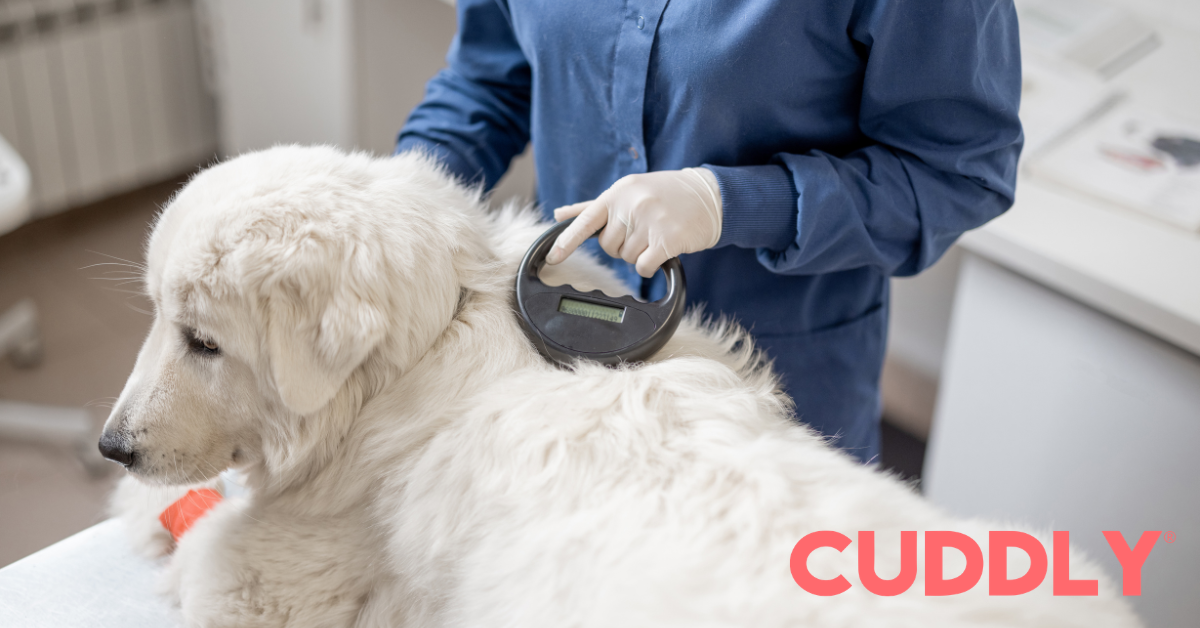
The microchip contains a unique identification number that can be scanned by veterinarians, animal shelters, and animal control officers. When the chip is scanned, they can access the contact information linked to that number and reach out to the pet’s family.
Think of it as a permanent ID card that stays with your pet wherever they go.
Why Microchipping Matters
No pet parent expects their beloved companion to become lost, but accidents happen every day.
When a lost pet arrives at a shelter or veterinary clinic, one of the first things staff members do is scan for a microchip.
Without a microchip, identifying the pet’s owner can be extremely difficult. With one quick scan, however, shelter staff may be able to immediately access the information needed to reunite a pet with their family.
Microchipping can significantly increase the chances of a lost pet making it home safely.
Collars Can Fall Off. Microchips Stay With Them.
Many pet owners rely solely on collars and tags, and while those tools are incredibly valuable, they can be lost or damaged. A collar may break during a walk. Tags can become unreadable over time. Some pets may even slip out of their collars entirely.
A microchip provides an added layer of protection because it remains with your pet regardless of what happens to their collar.
The best protection comes from using both: a collar with updated identification tags and a registered microchip.
A Microchip Is Only Effective If Your Information Is Up to Date
One of the biggest misconceptions about microchipping is that once a pet receives a chip, the process is complete. In reality, the chip is only as useful as the information connected to it.
Have you:
- Moved to a new address?
- Changed your phone number?
- Switched email addresses?
- Adopted a pet that was previously owned by someone else?
If so, it’s important to update your microchip registration information.
An outdated phone number or address can prevent shelters and veterinary teams from reaching you, even if your pet’s microchip is successfully scanned.
This National Microchipping Month, take a few minutes to verify that your pet’s registration details are current.
Protecting Pets Starts with Preparation
As animal lovers, we all hope we’ll never experience the fear of a missing pet. But being prepared today can make all the difference tomorrow.
Microchipping is one of the safest, simplest, and most effective ways to help protect pets and improve their chances of returning home if they ever become lost.
It takes only a moment to get a pet microchipped, but the protection can last a lifetime.