
A practical guide to raising a pet with sustainability in mind.
Caring for our planet is a shared responsibility. And that job involves every aspect of our daily lives. With Earth Day 2026 on the horizon, we want to encourage you to take your fuzzy friend along on your sustainability journey this year.
As much as we love our pets, there’s no denying that their care can have an environmental impact. Rest assured, there are an abundance of ways that we as pet owners can make more eco-conscious choices without compromising our fur babies’ happiness or well-being. Read on for five changes you can make to get started this Earth Day!
1. Adopt, Don’t Shop
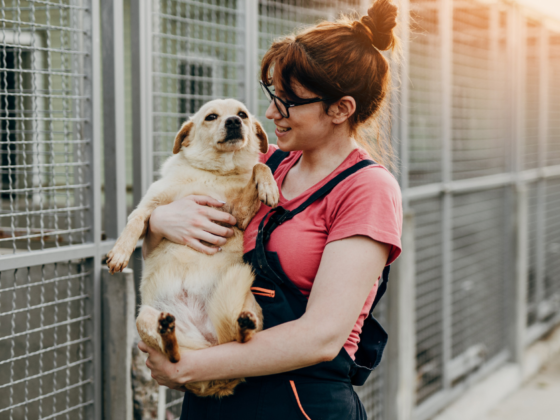
First off, welcoming a rescue pet into your home is one of the most impactful choices you can make as a pet parent. By adopting your new fuzzy friend instead of purchasing them from a store or a breeder, you’re opting out of a resource-intensive and ethically questionable system of breeding animals. And best of all, you’re giving a deserving animal a second chance at life.
In addition to adopting instead of shopping, it’s crucial to get your pets spayed and neutered. This is the number one way to combat the pet overpopulation crisis, which in turn lessens the backbreaking strain on shelters and their resources. It’s a compassionate choice that benefits both animals and the environment.
2. Switch To Eco-Friendly Cat Litter
Traditional clay cat litter is popular for a reason. It’s affordable and does its job well, but it comes with an environmental cost. The clay used in cat litter is typically sourced through strip mining, a process that removes the top layer of soil in order to reach minerals underneath—usually coal. The clay disrupted by strip mining is then packaged up and sold to cat parents.
In case it wasn’t obvious from the description alone, strip mining can wipe out entire ecosystems. That’s why many cat parents are looking for litter options that aren’t made out of clay. Thankfully, there are eco-friendly litter alternatives crafted from easily renewable materials like wood fiber, grass, and coconut husks. Even tofu-based litter is gaining popularity!
Based on litter reviews across the internet, there is no shortage of opinions on what kinds of litter perform best and give you the most bang for your buck. Many cat parents have noticed that there are drawbacks to cleaner litter options. Some don’t clump as well as clay or may lead to excessive tracking outside the litter box. There’s also the financial aspect. These greener alternatives could leave you with less green in your wallet.
And here’s where we have a proposal. If you’re not ready to fully switch from clay litter to more sustainable alternatives, we suggest mixing your current litter with an eco-friendly option. Many cat parents have found this to be a useful way to stretch their eco-friendly litter further while still using less clay litter. Even these small changes can make a big difference in your cat’s environmental impact.
3. Choose Sustainable Food, Treats, And Toys
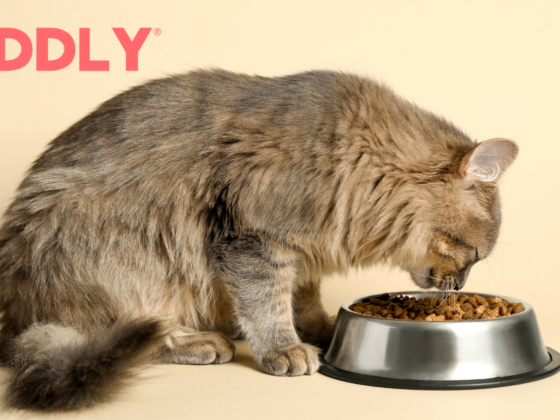
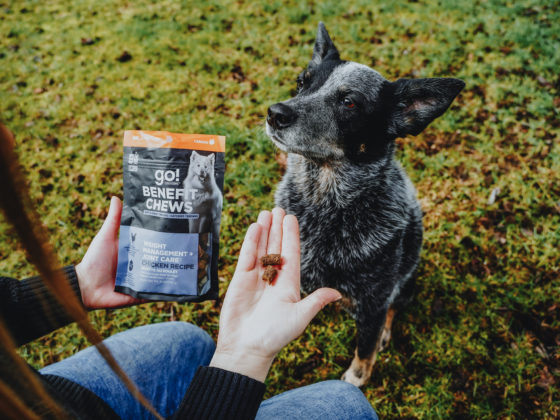
What your pet eats and how it’s packaged matters more than you might think. Look for food and treat options with minimal plastic packaging and responsibly sourced proteins. If you’ve never tried CUDDLY’s Chicken Crispers before, you’re in for a treat! These crunchy snacks are beloved by dogs and cats alike. And even better, they’re made with free-range chicken from ethical local farmers in the USA. They’re a great switch if you’re looking for responsibly sourced protein.
In addition to store-bought treats, homemade snacks for your pet can also be a tasty way to cut back on waste. Plus, these options are often cost-effective because they can be made from ingredients you already have at home.
Similar to snacks and treats, reusable toys like lick mats are another great option for eco-friendly enrichment. They’re durable, easy to clean, and reduce the need for single-use items. So far, the CUDDLY Lick Mat is a pet favorite.
For a creative twist, consider upcycling old clothes into DIY toys or turning empty cardboard boxes into enrichment activities, such as treat boards. As those of you with cats know, the recycled cardboard box will always be more appealing to your furbaby than the cat bed you spent $60 on. Your pet will love the novelty, and the planet will thank you.
4. Use Biodegradable Waste Bags
Plastic waste bags can take decades (sometimes over a hundred years!) to break down in landfills. Switching to biodegradable options for waste bags can help reduce long-term environmental impact. Many of these biodegradable options are made from corn starch and can decompose in as little as 90 days.
However, these kinds of bags may not be easy to find everywhere. If biodegradable bags aren’t accessible in your area, consider using bags made from recycled materials instead. This switch gives existing plastic a second life and is overall still better for the environment than traditional options.
And remember to always dispose of pet waste properly. Even though it’s “natural,” pet waste can contaminate water sources and harm local ecosystems if left behind.
5. Get Outside!
This one is our favorite. Spending time in nature is one of the best ways to celebrate Earth Day with your four-legged friend! Visit local parks, trails, or pet-friendly outdoor spaces, and enjoy the benefits of fresh air and exercise together. It’s a simple way to reconnect with both the environment and your pet, all while giving them the enrichment they crave. Plus, choosing green spaces over indoor activities is a great reminder of why protecting our planet matters in the first place.
For dogs, getting outside might mean a hike or a long walk. For cats, supervised outdoor time using a harness or a secure backpack can offer a safe change in scenery. No matter where you go, be mindful of wildlife, stick to designated paths, and always clean up after your pet to help keep these spaces beautiful for everyone.
Remember That Even Small Steps Can Have A Big Impact
Becoming a more eco-friendly pet parent doesn’t have to happen overnight. In fact, trying to change everything at once is overwhelming and unrealistic. Instead, focus on small, manageable swaps that fit naturally into your routine. Start with just one change first, whether that’s switching to a greener litter, choosing products with minimal or recyclable packaging, finding snacks and treats with responsibly sourced protein, or incorporating reusable items like durable, washable toys. Gradual changes will be easier to stick with and can build into sustainable habits over time.
Every effort counts, no matter how small it may seem. Choosing one eco-conscious option today can lead to another tomorrow, creating a ripple effect that benefits both your pet and the environment. This Earth Day, aim to be intentional and help create a meaningful difference for your pet, your household, and the planet we call home.