Simple Ways to Prevent Pet Poisoning at Home
Every pet parent wants their home to feel safe for their animals. But what many people don’t realize is that everyday household items can actually be dangerous for pets. March is Pet Poison Prevention Month, which makes it the perfect time to take a closer look at the potential hazards in your home and learn how to keep your animals safe. Dogs and cats explore the world with their noses and mouths. A dropped pill, a bite of the wrong food, or even licking residue from a cleaning product can quickly turn into a medical emergency. The good news? Most poison-related accidents are completely preventable with a little awareness and preparation.
Here are some of the most common risks for pets, and how you can protect them.
1. Keep Human Foods Out of Reach
Many foods that are perfectly safe for people can be toxic for pets.
Some of the most common culprits include:
- Chocolate
- Grapes and raisins
- Onions and garlic
- Xylitol (an artificial sweetener found in gum, peanut butter, and baked goods)
- Alcohol
- Macadamia nuts
How to protect your pets:
- Never leave food unattended on counters or tables.
- Keep pantry items sealed and stored properly.
- Avoid feeding pets from your plate unless you know the food is pet-safe.
When in doubt, stick to foods specifically formulated for pets.
2. Store Medications Safely
Pets can easily chew through pill bottles or eat pills that fall on the floor. Even medications prescribed for pets can be dangerous if the wrong dosage is consumed. It only takes seconds for a curious pet to swallow something they shouldn’t. Common medications that can be harmful include:
- Pain relievers like ibuprofen or acetaminophen
- Antidepressants
- ADHD medications
- Blood pressure medications
- Sleep aids
How to protect your pets:
- Store all medications in closed cabinets.
- Never leave pill bottles on counters or nightstands.
- Pick up dropped pills immediately.
- Keep purses, bags, and backpacks out of reach.
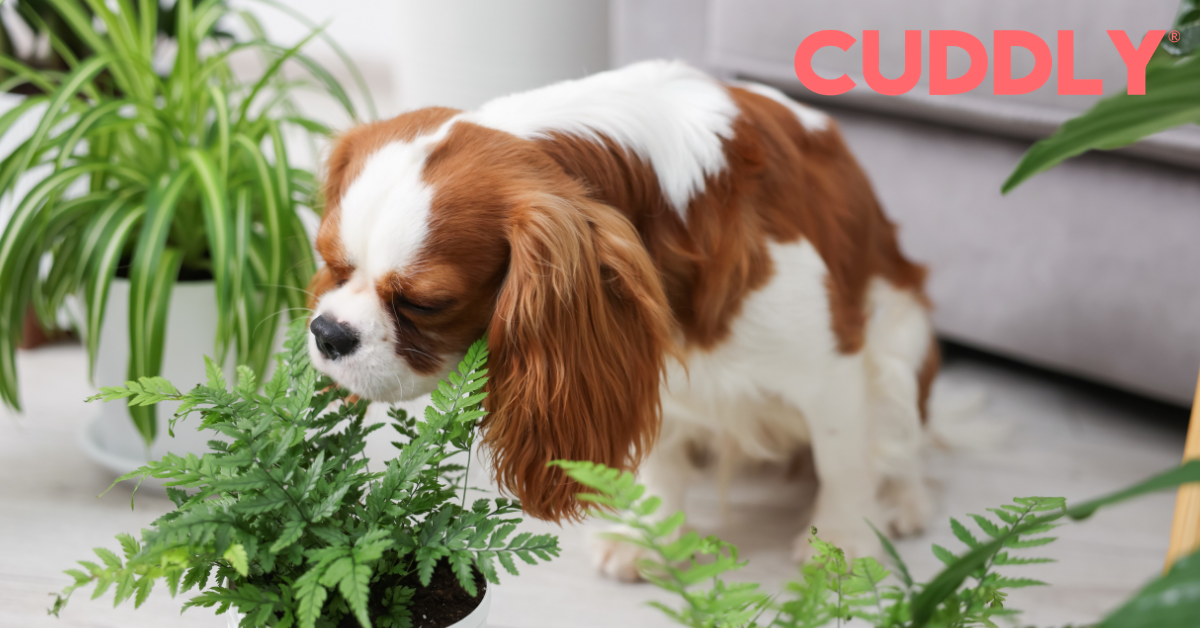
3. Watch Out for Toxic Plants
Plants can make a home feel warm and inviting, but some are very dangerous for pets. Common toxic plants include:
- Lilies (especially dangerous for cats)
- Sago palm
- Aloe
- Philodendron
- Dieffenbachia
- Tulips
- Daffodils
How to protect your pets:
- Research plants before bringing them into your home.
- Keep toxic plants completely out of reach.
- Consider pet-safe alternatives like spider plants, bamboo palms, or calatheas.
4. Be Careful With Household Cleaning Products
Cleaning supplies can contain chemicals that irritate or harm pets if ingested or even inhaled. Even natural or plant-based cleaners can cause issues if pets ingest them. Products that may pose risks include:
- Bleach
- Disinfectant wipes
- Drain cleaners
- Toilet bowl cleaners
- Laundry detergent pods
How to protect your pets:
- Store cleaning supplies in secured cabinets.
- Keep pets out of the room while cleaning.
- Allow surfaces and floors to dry completely before pets walk on them.
- Avoid letting pets lick freshly cleaned areas.
Many poison cases happen simply because a pet walked through cleaner and later licked their paws.
Signs Your Pet May Have Been Poisoned
If your pet has been exposed to a toxin, symptoms can appear quickly. Watch for warning signs such as:
- Vomiting
- Drooling
- Tremors or seizures
- Difficulty breathing
- Weakness or lethargy
- Loss of appetite
- Pale gums
If you notice any of these symptoms, contact your veterinarian immediately. Acting quickly can make a life-saving difference.
Our pets depend on us to keep them safe from the dangers they don’t understand. Learning about common pet toxins, toxic foods for dogs, and everyday household hazards is one of the most important ways pet owners can protect their animals. With a little preparation and awareness, you can create a safer home and give your pets the healthy, happy life they deserve.