Practical tips for keeping your furry friend’s teeth clean and healthy.
Let’s be honest here. If you skipped brushing your teeth for a week, things would get real funky real fast. Yuck. Not to mention, your “pearly whites” may not be so pearly. Now imagine never brushing your teeth at all. Icky, right? But that’s reality for many pets! If we wouldn’t dream of ditching our toothbrush, why should our four-legged roommates?
In case you didn’t know, February was National Pet Dental Health Month. But just because February is over doesn’t mean that you should go back to neglecting your pet’s teeth. Dental health is a year-round practice, and we’ve got some tips for a sparkling smile. If you’re a pet parent to a dog or a cat, read on to learn how you can keep their teeth pearly white and ensure they have those chompers for years to come.
Dental Treats
This is the most-preferred method for most pet parents. Many dental chews help reduce plaque and tartar while making your pet think they’ve won the lottery. It’s an easy, no-fuss way to improve your pet’s dental health. Who doesn’t want a tasty treat that’s good for you, too? However, some pet parents have concerns over dental treats, and rightfully so.
First off, not all dental treats work as well as advertised. The goal of these crunchy chews and sticks is to manually scrape away plaque and tartar from your pet’s teeth. How effective the treat is at cleaning your fuzzy friend’s teeth depends on its shape and its ingredients. If you’re on the fence about a particular brand or product, it can be helpful to reference the Veterinary Oral Health Council’s list of approved dental products, and be sure to follow the treat’s instructions carefully for optimal results.
Second, dental treats can add some extra calories to your pet’s diet. For those struggling to help their pet maintain a healthy weight, dental treats might not be the best option. Always reference the nutrition label on your pet’s dental treats and adjust food intake accordingly.
Brushing (Yes, Really)
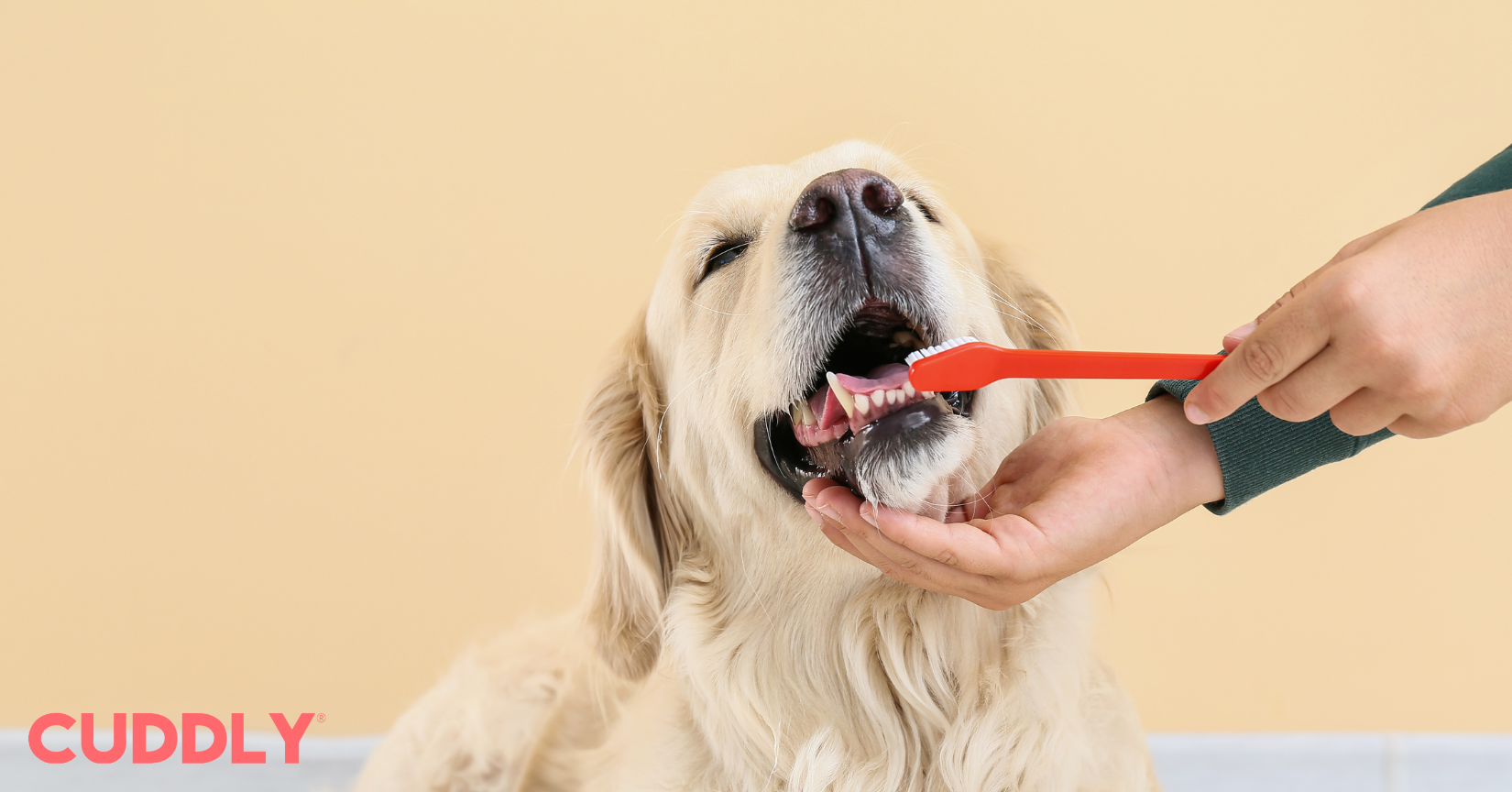
Yup, you read that right. It can be incredibly beneficial to brush your pet’s teeth the same way you brush your own. In fact, it’s often the first method vets recommend! Plus, there is a huge variety of toothpaste options out there nowadays. For pups, a peanut-butter-flavored toothpaste might be the go-to option. For kitties, there are plenty of malt or tuna options on the market.
Whatever your pet’s pick is, make sure you opt for an enzymatic toothpaste to help break down plaque. This kind of toothpaste isn’t like human toothpaste, and it is safe to swallow in small amounts—no rinsing required!
Additionally, it’s important to consider the variety of toothbrush options available as well. Many come in a variety of sizes, so be sure to choose carefully. If you don’t have a co-parent to help you hold your pet while brushing their teeth, you may be interested in brushes that fit over your finger for better control while wrangling your fuzzy friend. Do whatever you need to do to help “brushing teeth” not feel like “pulling teeth!”
Dry Kibble And Dental Diets
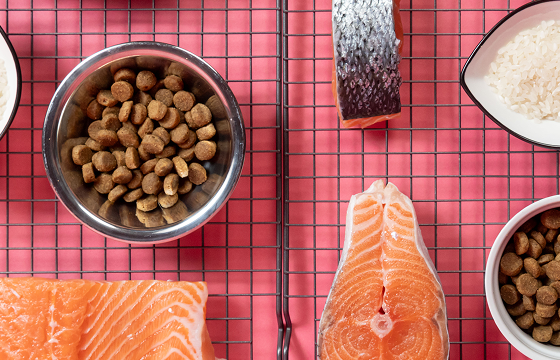
While dry food and wet food both have their respective benefits, many vets and pet parents alike have noticed that a diet including dry kibble can help with reducing plaque and tartar. Similar to dental treats, the crunch of dry kibble can aid in scraping away unwanted gunk from your pet’s teeth while they chow down.
Some dry foods are better than others. Those containing a healthy dose of fiber (like CUDDLY’s Salmon & Rice Dog Food!) are more likely to swipe away buildup. Additionally, there are pet foods out there that are specifically crafted with your pet’s dental health in mind, oftentimes relying on special shapes and fiber structures to target plaque and tartar.
Water Additives
If brushing your pet’s teeth and switching up their diet all sounds like too much right now, we get it. Thankfully, we have yet another option to consider for your pet’s dental health: dental solutions! These liquid products are often meant to be mixed into a pet’s water. These water additives often do more than just freshen up your pet’s breath. Many boast additional benefits, such as improved gut health or joint support (which is great for senior pets). Like we said before, it’s important to reference reliable sources and talk with your vet about the best choices for you and your pet. But if you’d like another no-fuss option similar to dental treats, water additives could be for you.
Is It REALLY Worth It To Clean Your Pet’s Teeth?
Yes. Yes, it is. Periodontal disease is no joke. Without treatment, dental problems can have a serious impact on your pet’s general health, including issues such tooth loss, mouth pain, and even serious health problems in other parts of their body. Infection in the mouth can lead to infection in other organs. As your pet’s teeth develop cavities and begin to rot away, their gums will become painfully inflamed. Eating solid foods will be a challenge. Losing teeth isn’t just something that affects pets in old age. Genetics and dental care habits can determine your pet’s overall dental well-being and how long they can still chew solid food. Yep—protecting those chompers is serious business.
On the bright side, just changing up a few small habits can pave the way for years of happy chewing, delicious meals, enthusiastic toy destruction, and minty-fresh smooches. National Pet Dental Health Month may be February, but sparkling smiles are a year-round vibe. Start implementing some of these methods today!