Breaking down exercise needs by age and lifestyle.
April is Active Dog Month, which makes it the perfect time to ask a question many pet owners think they know the answer to: how much exercise does my dog really need? If your current system is based on “a quick walk when I remember” or “he sprinted across the living room once, so we’re good,” you’re not alone. But the truth is, the right amount of exercise can make a huge difference in your dog’s health, behavior, and overall happiness.
Puppies: Small Bodies, Big Energy
Puppies are basically toddlers with better jumping ability. They run, they crash, they repeat, with absolutely no regard for pacing themselves. Because their bodies are still growing, they don’t need long, intense workouts. Instead, they benefit from short, frequent bursts of activity. A good rule of thumb is about 5 minutes of structured exercise per month of age, up to twice a day. So a four-month-old puppy would need around 20 minutes at a time. That can include gentle walks, playtime like fetch or tug, and even basic training sessions, which count as mental exercise. It’s just as important not to overdo it. Too much strain can impact developing joints, and if your puppy suddenly flops down mid-play, that’s your sign they’re done.
Adult Dogs: The Sweet Spot
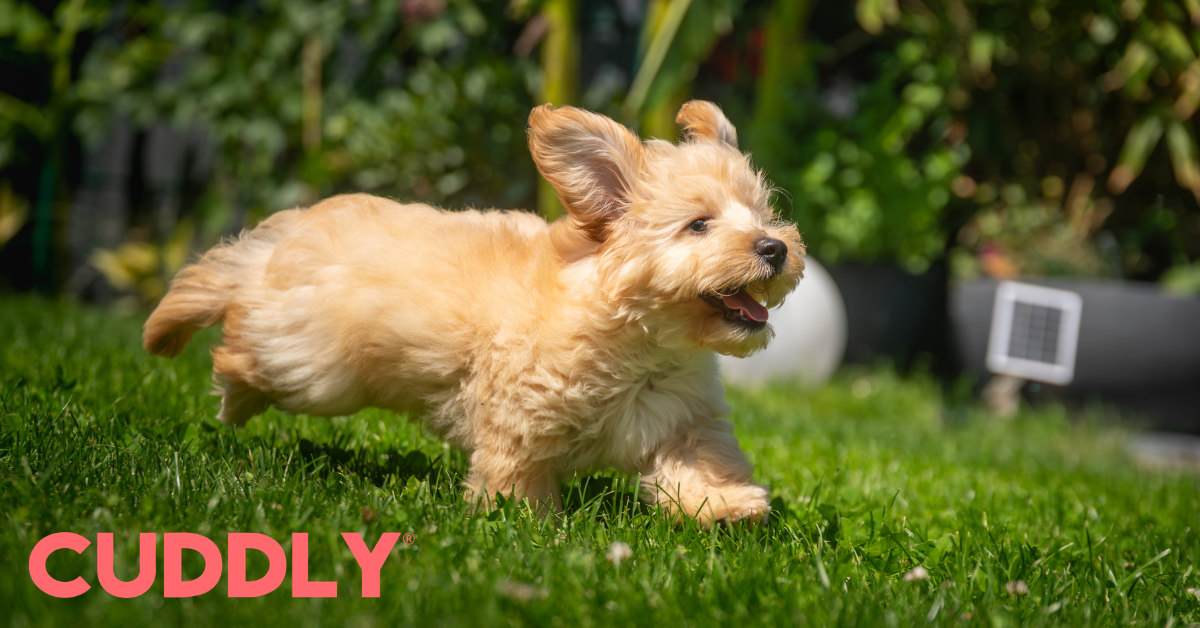
Adult dogs fall into the widest range when it comes to exercise needs, because so much depends on breed, size, and personality. A high-energy working dog and a laid-back companion breed are not going to thrive on the same routine. Most adult dogs need anywhere from 30 minutes to 2 hours of exercise per day. Lower-energy dogs may be perfectly content with short walks, light playtime, and casual exploration around the house or yard. Higher-energy dogs, on the other hand, often need more structured and engaging activity, such as long walks, games or agility work, or mental stimulation puzzles or activities. Might we suggest the CUDDLY Lick Mat? If your dog finishes a walk and immediately looks at you like, “That’s it?”, you likely have a high-energy dog on your hands.
Senior Dogs: Slower Pace, Still Important
Senior dogs may slow down, but they still need consistent movement to stay healthy. In fact, regular, low-impact exercise can help maintain mobility, manage weight, and support overall well-being. The key is adjusting intensity. Shorter walks, gentle play, and a steady routine go a long way.
Indoor vs. Outdoor Dogs
Whether your dog lives mostly indoors or has access to a yard also plays a role, but maybe not in the way people think. Indoor dogs absolutely need structured exercise, since wandering from the couch to the food bowl doesn’t quite cut it. Outdoor dogs may have more space, but that doesn’t mean they’re getting meaningful activity. Many dogs left to their own devices will simply patrol the yard, keep an eye on the neighborhood, and call it a day. Real exercise usually involves interaction, engagement, and a little bit of intention.
Signs Your Dog Needs More Exercise
If your dog isn’t getting enough activity, the signs tend to show up in ways that are hard to ignore. You might notice:
- Destructive behavior like chewing or digging
- Excessive barking
- Restlessness or pacing
- Sudden bursts of energy at less-than-ideal times, aka “the zoomies.”
Signs You Might Be Overdoing It
On the flip side, it is possible to overdo it. Too much exercise can lead to:
- Excessive panting or falling behind on walks
- Limping or stiffness after activity
- Reluctance to continue moving
The Bottom Line
Finding the right balance is key. The goal isn’t to completely wear your dog out every single day. It’s to keep them physically healthy, mentally engaged, and emotionally balanced. A well-exercised dog is usually a happier dog, and, as a bonus, far less likely to channel their energy into “creative” home renovations. So this Active Dog Month, take a little extra time to move, play, and connect with your dog!